
Running a large industrial camp in Saudi Arabia is about far more than providing beds. When hundreds or thousands of workers live, eat, travel and work from one site, camp managers carry a serious responsibility: keeping people safe, keeping records accurate, and being ready to prove both at any moment. A surprise inspection or client audit can arrive without warning, and in those moments, scattered registers and guesswork are not enough.
That is why more camp operators are moving towards one connected system for occupancy, access and maintenance. When every room, resident, visitor and repair request lives in the same place, safety becomes part of daily operations, not just paperwork.
Why safety and audit readiness matter more in Saudi camps
Saudi Arabia’s mega-projects and industrial cities — from NEOM and the Red Sea coast to Jubail, Yanbu and Riyadh — depend on large, often remote workforces. Camps may house workers from many contractors, nationalities and shift patterns, all under one roof. Welfare expectations, client audits and health-and-safety checks all ask the same questions: who is living here, are rooms within capacity, and can you show it?
A camp that cannot answer quickly risks more than embarrassment. Overcrowded rooms, missing visitor records and unresolved maintenance faults can put welfare, safety and contract compliance at risk. A system built for camps helps managers answer with live data, not a search through files the night before an audit.
Know exactly who is where, at any hour
The foundation of a safe camp is an accurate headcount. Managers need to know, in real time, which rooms are occupied, which beds are free, and who is assigned to each building and floor. That matters during a normal shift change, and even more during an emergency evacuation, when a roll call must be fast and reliable.
A central occupancy dashboard brings that picture together. Instead of reconciling separate lists for each building or contractor, supervisors see availability across the whole camp and can plan new intakes without overfilling rooms. Clear resident records — contractor, department and move-in and check-out dates — also make transfers simple, so a bed freed in the morning can be safely reassigned the same day.

Control access without slowing down shift change
Camps are busy at shift-change time, with workers, visitors, delivery drivers and contractors all moving through gates and buildings. Without controlled access, it is hard to know who is on site. With overly rigid controls, queues build up and operations slow down.
The answer is role-based access and clear visitor management. Managers, supervisors, technicians and auditors should not all see or change the same records. Visitors should be recorded, not waved through on memory alone, so there is a clear trail of who entered, when, and why. Done well, access control protects residents and assets while keeping movement smooth — especially when it connects to room assignments and check-in records, rather than sitting in a separate system.
Fix problems before they become safety risks
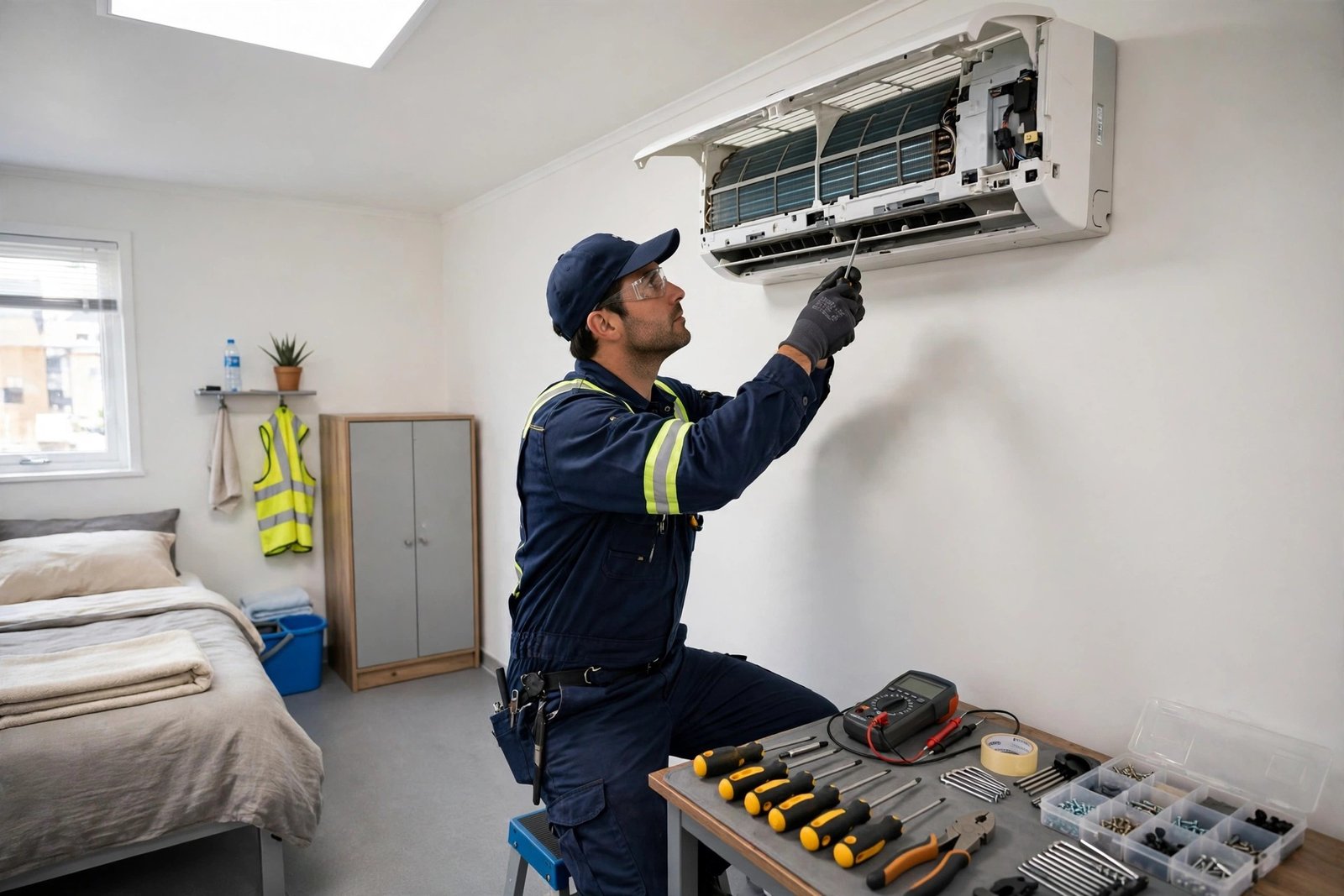
In a high-occupancy camp, small faults become big risks quickly. A broken air conditioner in summer heat, a plumbing leak, an electrical fault or a damaged door lock affects health, comfort and security. When maintenance requests are passed on verbally or on paper, they are easy to lose or forget.
A structured maintenance workflow changes that. Issues can be flagged by camp, building and room, marked urgent or normal, and tracked until resolved. Technicians receive clear job details on mobile, and managers can see which repairs are still open. That visibility helps camps fix urgent problems first and show auditors that faults were reported, prioritised and closed.
Prove compliance when an inspector asks
Audit readiness is not about creating a special report once a year. It is about keeping clean records every day, so evidence is already there when needed. Complete assignment histories, activity tracking and exportable reports give managers and auditors the same picture: who lived where, when rooms changed hands, and what maintenance was done.
This also helps with clients and contractors. When a camp is divided between several subcontractors, clear sub-allocations and shared records reduce disputes about beds and responsibility. Everyone works from the same numbers.
What to look for in a camp management system
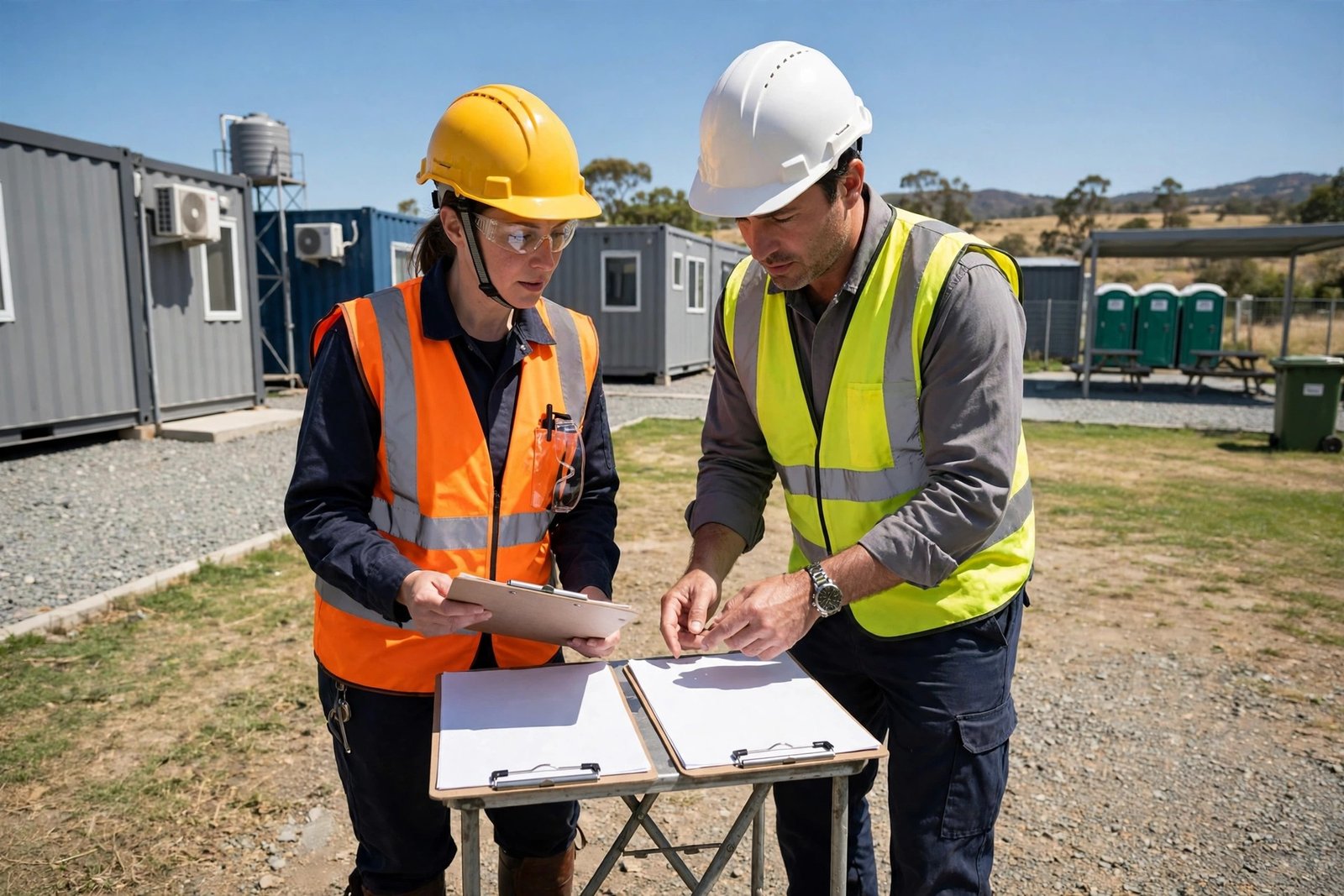
Not every software tool is built for camp life. Before choosing one, operators should ask: does it handle multiple camps, buildings and floors in one view? Does it separate shared facilities, such as mess halls, clinics and recreation areas, from sleeping rooms so occupancy figures stay accurate? Can it manage check-in, visitors, maintenance and reports together? And can supervisors find answers quickly, without specialist training?
Systems for Saudi camps should also fit local realities: large sites, multi-contractor workforces, high summer demand, and audit-ready records for clients and authorities. A free trial or personalised demo is a sensible way to test whether a system matches a camp’s real layout before committing.
Safe, audit-ready camps are not built on good intentions alone. They are built on accurate occupancy records, controlled access, prompt maintenance and reports that can be shown at any time. When those pieces work together in one system, camp managers spend less time chasing records and more time looking after residents — and they can face the next inspection with confidence.
Discover how CampWise can help your camp stay safe, organised and audit-ready.


